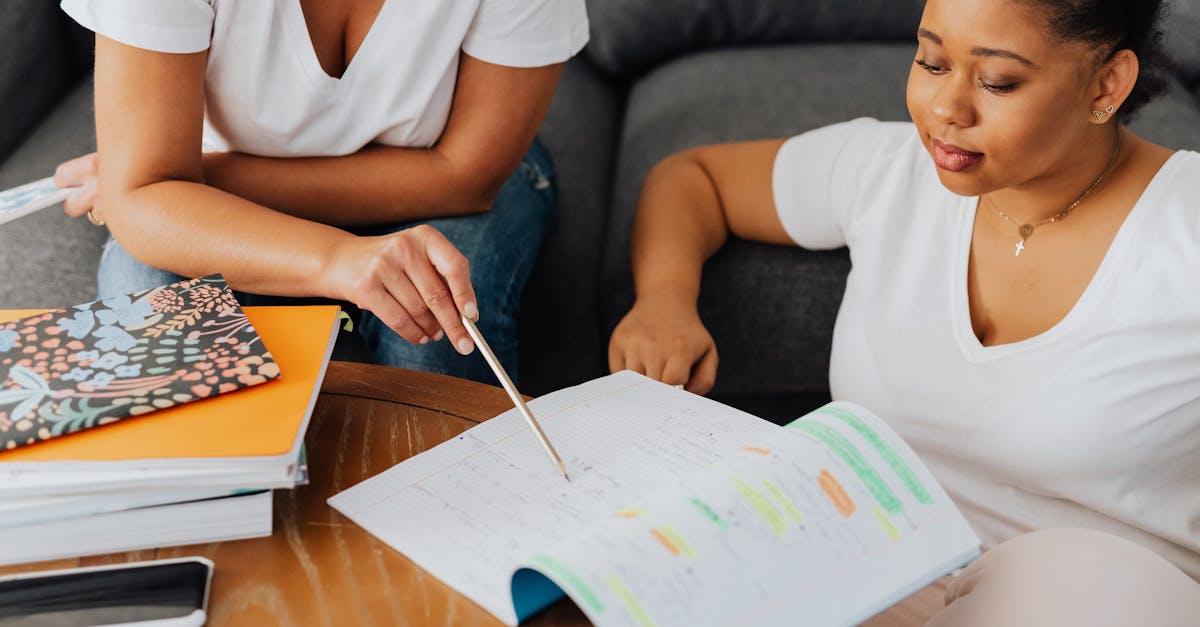
A first private lesson can drift when the teacher, student, and parent all bring different hopes. A printable goal sheet gives the lesson a shared starting point without turning it into a formal contract.
The giveaway is useful before tutoring, coaching, language lessons, exam preparation, or a small private course. It asks for the student’s current level, one near-term goal, one obstacle, and one signal that progress is happening.
Download The First Lesson Goal Sheet
Print the PDF before the first session or send it as a short intake page. Keep the answers simple enough to discuss in five minutes. Download the printable PDF.
A Goal Should Change The Lesson Plan
The weak default choice is to write “get better at math” or “improve English.” The better choice is to name the moment where the student gets stuck and the kind of task that would show improvement.
A goal sheet helps the teacher choose examples, pacing, homework, and feedback. It also gives the student a way to see progress that is not only a distant grade or certificate.
The Goal Sheet That Makes The First Lesson Concrete
Use the sheet as a conversation starter. The best answers are specific enough to shape the next lesson.
| Decision point | Evidence to write down | Better next move |
|---|---|---|
| Current task | Name a task the student can almost do: solve equations, hold a travel conversation, outline an essay. | Start the lesson near the edge of current ability rather than at a generic beginning. |
| Obstacle | Write the recurring block: vocabulary gap, careless errors, anxiety, timing, missing background, or weak routine. | Choose one obstacle to address first so the lesson does not scatter. |
| Progress signal | Define what improvement would look like in two to four weeks. | Review the signal before adding more materials. |
A Worked Example For Exam Preparation
For example, a student preparing for an exam might write: “I can answer vocabulary questions slowly, but I lose points when I have to explain why an answer is wrong.” That is more useful than “vocabulary is bad.”
The better lesson choice is then visible: practice explanation, timing, and wrong-answer review, not just another word list. The sheet turns a vague worry into a plan the teacher can test.
Keep Promises Grounded
This worksheet borrows the discipline of measurement: define the action before judging the result. As Google Analytics explains for digital events, a useful measure starts with a specific interaction; lessons need the same clarity even though the work is human.
A goal sheet cannot promise grades, diagnose learning needs, or replace qualified educational assessment. When the situation involves special needs, student welfare, accreditation, or high-stakes exams, bring in the right professional context.
When To Reuse The First Lesson Goal Sheet
Reuse the First Lesson Goal Sheet whenever the timing, owner, source of evidence, or risk around student goal sheet for private lessons changes. An old completed sheet is useful history, but it should not drive a new decision until the live details have been checked again.
Keep one completed copy and write what happened afterward. If the decision worked, the sheet shows which signals were enough. If it did not, the sheet shows which assumption was missing or which question should have been asked earlier.
The most practical use is small and repeatable. Fill in the PDF, choose one next move, name the person responsible, and return to the sheet after there is a result instead of restarting the same worry from memory.
Before filing it away, circle the field that was hardest to answer. That usually reveals the real gap: missing source material, unclear ownership, uncertain timing, or a decision that needs a specialist, provider, teacher, operator, pastor, or project owner before it becomes action.
Give The First Lesson A Better Starting Point
Use Private Courses’ guide to exam prep course structure when the goal is tied to a test date. A first lesson works better when the goal, obstacle, and progress signal are already visible.